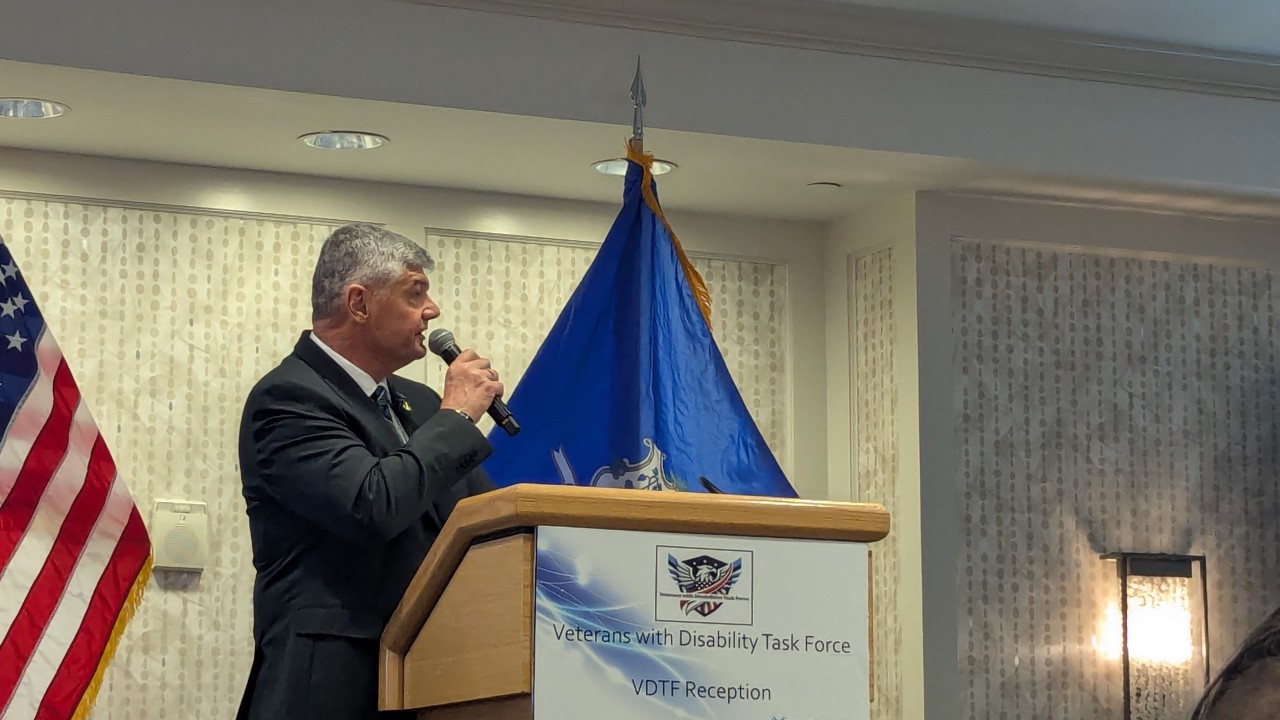
This past week, the National Guard Association of Connecticut (NGACT) had the opportunity to sit down with Commissioner Ronald P. “Ron” Welch and John S. Carragher, Manager of Veterans Advocacy and Assistance, from the Connecticut Department of Veterans Affairs (DVA). The conversation was wide-ranging, collaborative, and centered on how both organizations can continue to support and advocate for Connecticut’s veterans.
Shared Mission: Serving Those Who Served
Commissioner Welch, a retired Brigadier General with decades of military service, and Mr. Carragher, a retired Command Sergeant Major and former Command Senior Enlisted Leader of the Connecticut National Guard, bring unmatched experience to the work of veteran advocacy. Their leadership has shaped DVA’s mission: ensuring veterans receive the care, resources, and respect they have earned.
Both leaders emphasized that engagement with the veteran community is a top priority—whether through statewide outreach events, municipal partnerships, or targeted programs like the PACT Act benefit expansion. This community-driven approach mirrors NGACT’s mission of building strong connections between service members, veterans, and policymakers.
Addressing the State Veterans Cemetery Capacity Crisis
One of the most pressing topics discussed was the future of the Middletown State Veterans Cemetery, which is nearing capacity. Without intervention, in-ground cremation plots could be exhausted by late summer 2027 and casket plots by 2036. Commissioner Welch outlined the state’s efforts to identify suitable land for expansion or a new cemetery site, including evaluating more than 15 potential locations. Governor Lamont’s proposed $7.5 million investment in the FY 2026 budget marks a significant step forward, but continued advocacy will be critical to ensure long-term solutions.
For NGACT, this is more than a policy issue—it’s about safeguarding a dignified final resting place for Connecticut’s veterans. Supporting DVA’s work on this front will remain a shared priority.
Expanding Access Through Outreach and Innovation
Mr. Carragher highlighted the DVA’s municipal veteran representative program, which connects veterans at the local level with trained advocates who can guide them through benefits, healthcare, and service access. With over 8,000 veterans represented and approximately $125 million in annual benefits delivered, the program is a critical lifeline.
NGACT will work closely with DVA to help municipalities strengthen this network, ensuring every veteran in Connecticut knows who their local representative is and how to access them. This includes collaborating on additional training opportunities for municipal reps to stay up-to-date on legislative changes, benefit programs, and outreach best practices.
PACT Act: Expanding Benefits and Awareness
The Promise to Address Comprehensive Toxics (PACT) Act is one of the most significant expansions of veteran healthcare and benefits in decades, covering veterans exposed to burn pits, Agent Orange, and other toxic substances. Commissioner Welch has been vocal about urging Connecticut veterans to get screened and apply for benefits under the PACT Act, noting that it has already increased demand for DVA services.
NGACT will play a direct role in helping Guard members, retirees, and veterans understand these expanded benefits, particularly by sharing information through unit networks, newsletters, and events. The aim is to make sure no eligible veteran misses out on care or compensation due to lack of awareness.
Mental Health & Suicide Prevention
Commissioner Welch stressed that mental health is an essential part of veteran readiness and resilience. The DVA continues to support statewide efforts, including the Governor’s Challenge to Prevent Suicide Among Service Members, Veterans, and Families. This includes connecting veterans with VA Vet Centers, peer-to-peer networks, and crisis support such as the 988 Veterans Crisis Line. NGACT will help amplify these resources to Guard members and their families, ensuring early intervention and ongoing support.
Veteran Housing & Homelessness Prevention
Housing stability remains a critical issue for some Connecticut veterans. The DVA works closely with partners such as HUD-VASH to provide permanent supportive housing and emergency assistance. Commissioner Welch emphasized the importance of identifying at-risk veterans early and connecting them to resources before they face homelessness. NGACT can assist by ensuring Guard units are aware of these programs and can refer members in need.
Improving Access to VA Health & Specialty Care
Access to timely healthcare, including specialty care, is a challenge for veterans in rural areas of Connecticut. Commissioner Welch noted recent expansions in VA telehealth services and mobile medical units, which bring screenings, primary care, and specialty services closer to veterans’ communities. NGACT members can play a role in spreading the word about these options and encouraging veterans to enroll in VA care, even if they have other insurance, to maintain eligibility for future services.
A Commitment to Continued Collaboration & Call to Action
The meeting underscored the alignment between NGACT and the DVA: a commitment to advocacy, resource accessibility, and honoring veterans’ service. From expanding cemetery capacity to increasing awareness of the PACT Act, supporting mental health initiatives, preventing homelessness, and improving healthcare access, both organizations recognize the importance of working together.
These issues affect every member of Connecticut’s military community. NGACT is working for you, our members, and for the broader veteran and service member community across the state. We encourage you to stay informed, share this information with fellow Guard members, veterans, and families, and be an active voice in the conversation. Reach out to NGACT if you’d like more information or want to get involved.
Your advocacy matters—contact your local representatives to let them know these priorities are important to you and to the future of our military community. If you would like to join NGACT’s efforts or assist with our outreach, please contact us directly. Together, we can make a lasting impact for those who serve and have served.
–Bill Palifka, Executive Director