
Yesterday morning we walked into the Connecticut Capitol with a simple goal: make sure the voices of Connecticut’s Guardsmen were heard.
The marble halls of the Capitol are where policy is written, budgets debated, and laws shaped. But for those of us connected to the National Guard, these conversations are never abstract. Behind every bill is a young soldier balancing drill weekends with college classes. A Guardsman trying to turn military training into a civilian career. A family figuring out how service fits into everyday life.
That’s why the National Guard Association of Connecticut (NGACT) was there.
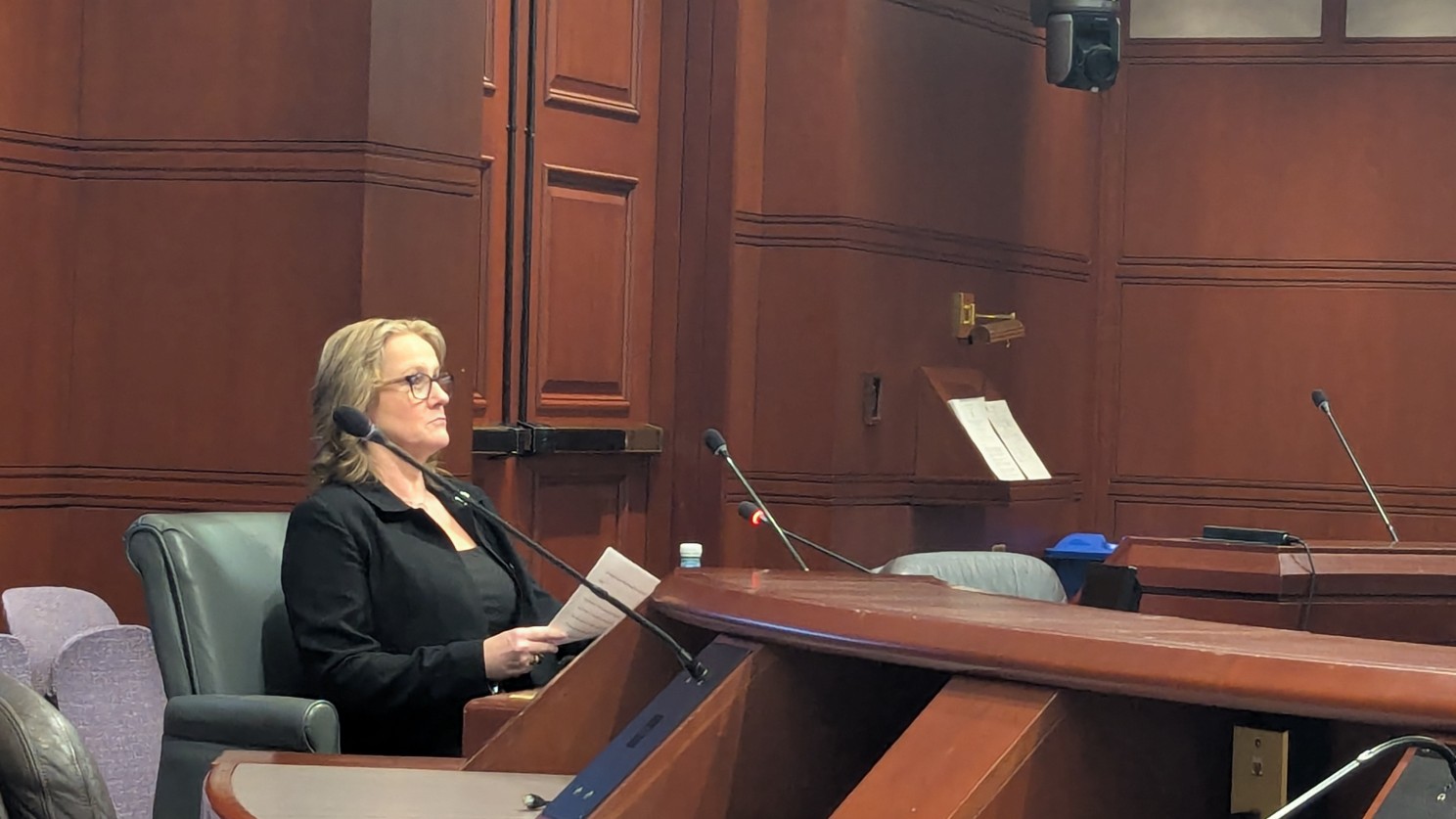
NGACT President Katie Zarzycka testified before the legislature on the Troops to Trades bill, outlining how the legislation could strengthen career pathways for Guardsmen and veterans entering Connecticut’s skilled trades workforce.
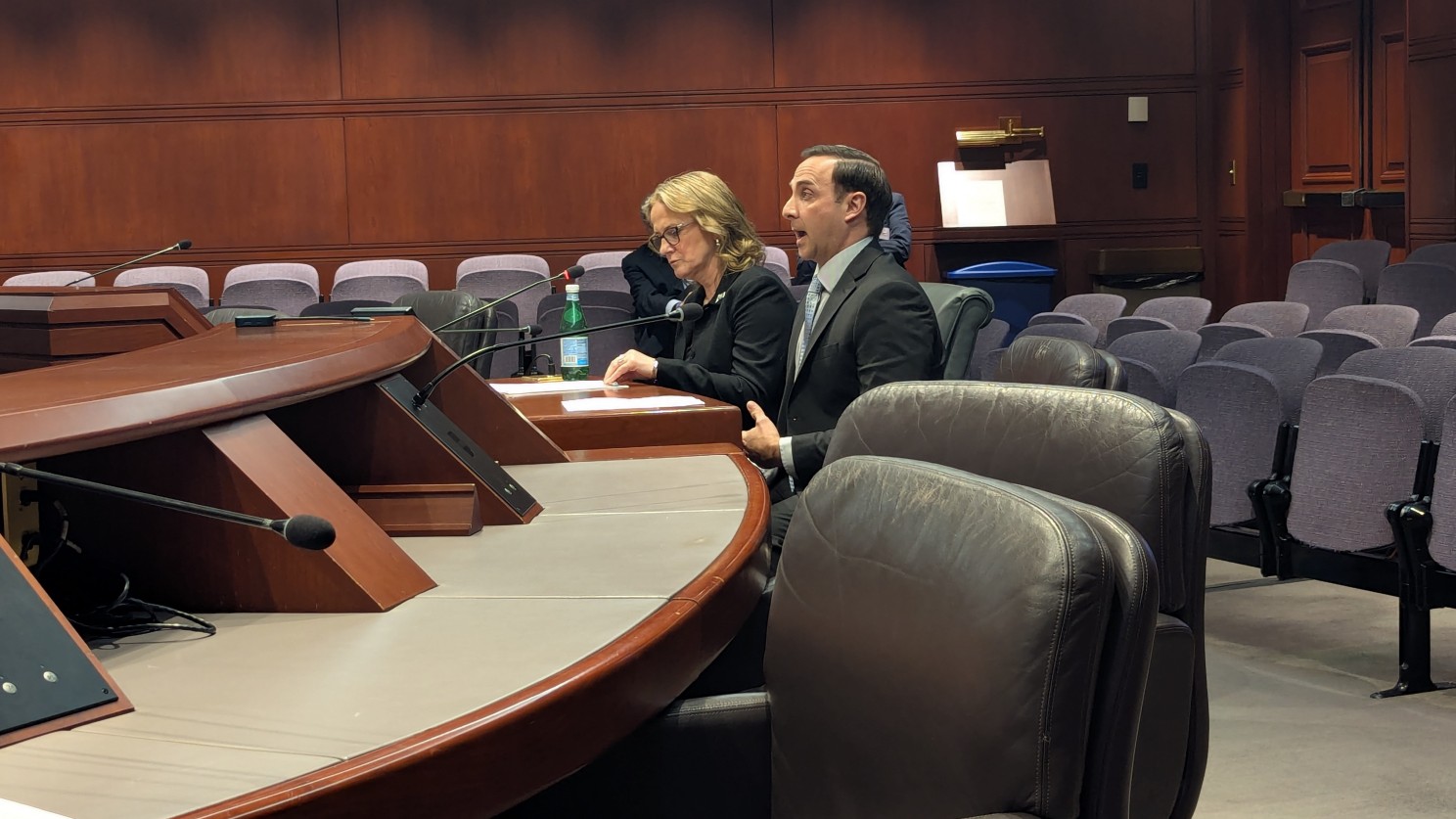
Standing alongside her, NGACT Vice President Dan DePasquale spoke in support of the education fee waiver bill, highlighting the real financial challenges many Guard members face when pursuing higher education.
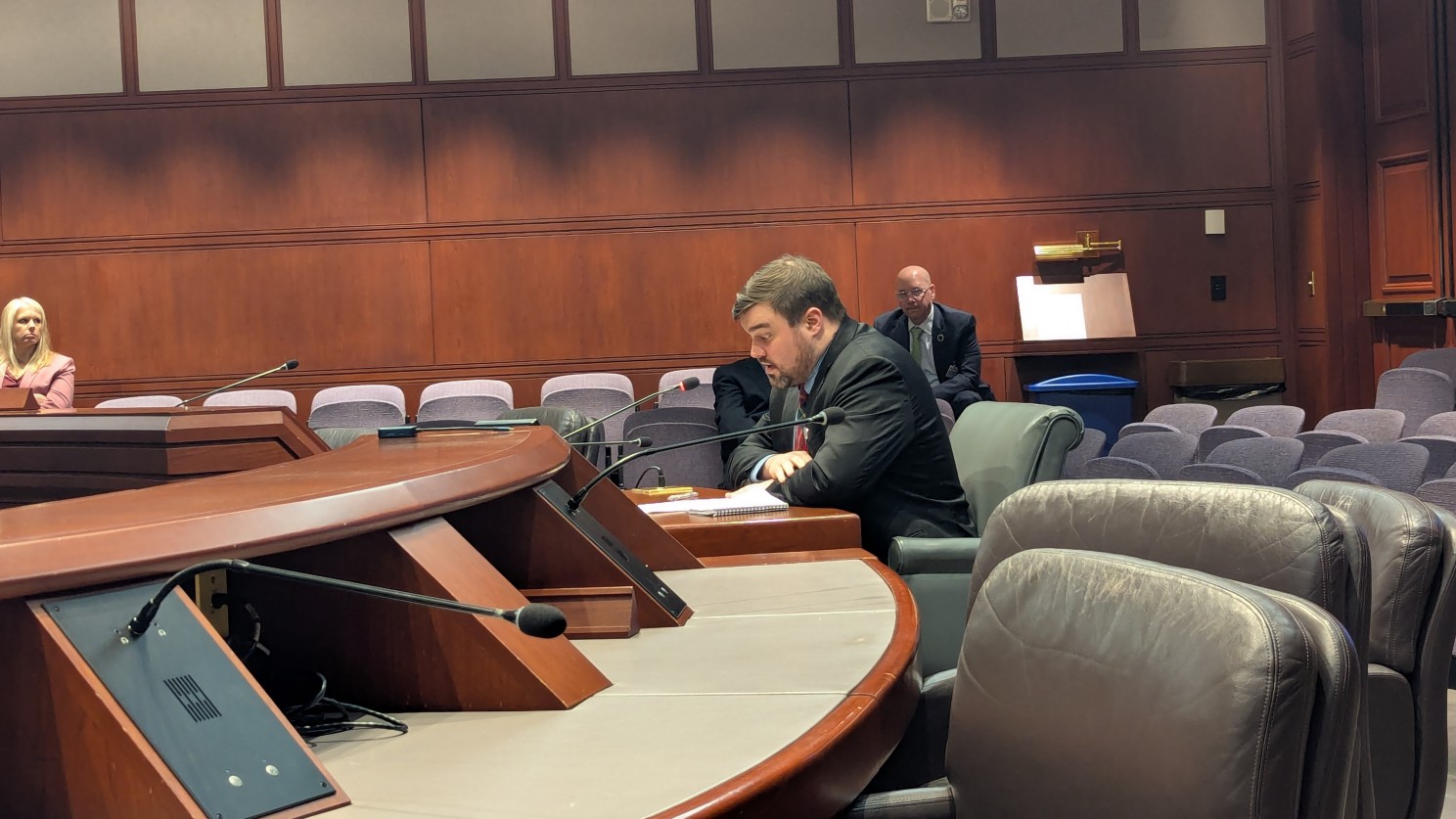
NGACT Board Member Tucker Salls also testified, sharing a personal story that reminded everyone in the room why this issue matters.
Together, their testimony focused on two areas that shape the lives of Guardsmen every day: education and civilian career opportunity.
Turning Military Skills Into Civilian Careers
Katie Zarzycka’s testimony centered on the Troops to Trades initiative, which aims to strengthen the connection between military service and Connecticut’s skilled trades workforce.
Guardsmen develop highly technical skills during their military service. Yet too often, those skills don’t easily translate into civilian licenses or certifications.
As Katie explained to lawmakers:
“Creating clear, practical bridges between military service and Connecticut’s skilled trades benefits our Guardsmen, our veterans, and the industries that are vital to our state’s economic strength.”
NGACT supports the goal of the legislation and offered several practical recommendations to strengthen its impact, including developing Military Occupational Specialty (MOS) to state licensure crosswalks so that military training can count toward civilian credentials.
Katie emphasized that when the system recognizes military training properly, everyone benefits.
“When military training translates clearly into civilian credentials, both service members and employers benefit.”
She also encouraged lawmakers to expand eligibility to include currently serving Guardsmen, many of whom are balancing military service with civilian careers.
“Many Guardsmen are balancing military service with civilian careers. Expanding access reflects the unique structure of the National Guard and increases the long-term impact of the program.”
The Hidden Costs of Higher Education
While Katie focused on workforce pathways, the conversation also turned toward education.
Connecticut already provides a tuition waiver for members of the National Guard attending public colleges and universities. But mandatory university fees—technology fees, campus fees, and other required charges—can still create significant out-of-pocket costs for service members. NGACT_HB5046_Testimony
NGACT Board Member Tucker Salls shared a story that brought this challenge into sharp focus.
He spoke about a friend he served with—someone who had started college with the goal of building a better future, but ultimately had to step away from school because he simply could not afford the additional mandatory fees that came with enrollment.
Those “hidden fees,” often overlooked in discussions about tuition benefits, can add up quickly for Guardsmen balancing service, school, and civilian life.
Stories like that remind us that policy decisions made in legislative chambers can have very real consequences for the people wearing the uniform.
Strengthening the Ranks
NGACT Vice President Dan DePasquale, who also serves in the National Guard recruiting command, reinforced how education benefits directly affect recruitment and retention.
Dan spoke about how removing these mandatory fees would make Connecticut’s education benefits more meaningful and accessible to young men and women considering service.
Programs that reduce financial barriers to higher education do more than help individual Guardsmen—they help strengthen the entire force.
When potential recruits see that their state is committed to supporting their education and future careers, it becomes easier to make the decision to serve.
A Simple Principle
The conversation yesterday ultimately came down to a simple principle.
Members of the Connecticut National Guard serve in a unique dual role—responding to emergencies here at home while also deploying overseas in support of national missions.
In between those responsibilities, they are students, workers, parents, and community members.
Policies like Troops to Trades and the education fee waiver bill recognize that service members should not face unnecessary barriers when building their futures.
Instead, their service should open doors.
Closing Reflection
Walking out of the Capitol yesterday, one thing felt clear.
Legislation can sometimes feel distant from everyday life. But when the focus is on those who serve—on their careers, their education, and their families—policy becomes very real.
If these bills move forward, they won’t just be pieces of legislation.
They will be investments in the men and women who stand ready to serve Connecticut every day.
-Bill Palifka, Executive Director